Malawi and Mozambique have signed an agreement to harmonise procedures for certifying and inspecting agricultural products in a move that will reduce delays and costs in cross-border agricultural trade.
The memorandum of understanding (MoU), signed in Tete, Mozambique, on Wednesday provides a framework for joint action on sanitary and phytosanitary measures, which protect human, animal and plant health.
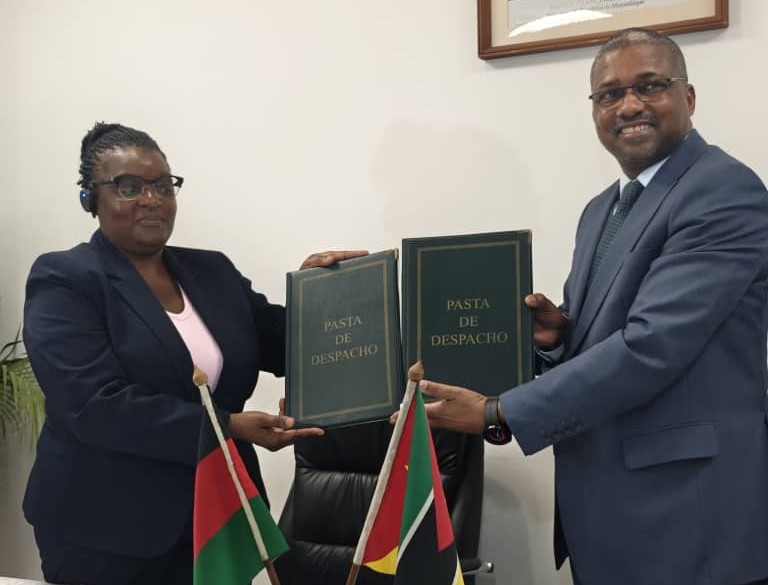
In a statement following the MoU signing, Ministry of Agriculture, Irrigation and Water Development Principal Secretary Erica Maganga said differences in certification procedures, delays in border clearance and inadequate exchange of technical information increased the time and cost of trading agricultural products.
“Our success should ultimately be measured not by the number of meetings held or documents signed, but by the tangible improvements experienced by farmers, traders, transporters and businesses operating across our borders,” she said.
Maganga said the signing of the pact marks a shift from preparatory work to implementation, urging relevant institutions to establish clear responsibilities, timelines and performance indicators.
The pact identifies joint pest-risk assessments and surveillance, harmonisation of certification procedures and training of border officers as priority areas for cooperation.
The two governments will also work to improve information-sharing and educate traders on documentation, inspection requirements and procedures for exporting and importing agricultural products.
Mozambique Ministry of Agriculture, Environment and Fisheries Permanent Secretary Acubar Paulo Batista said the agreement demonstrates the two countries’ commitment to strengthening bilateral cooperation and creating conditions for safer and more predictable trade.
He said that effective implementation should to help reduce delays and unnecessary costs, improve market access and prevent the spread of pests and diseases that threaten agricultural, livestock and fisheries production.
Batista said the benefits were particularly important for small-scale producers, traders and businesses that depend on market access to generate income and create jobs.
Under the pact, the two countries will exchange technical and scientific information, develop and harmonise sanitary and phytosanitary measures and provide technical assistance where necessary to help exporters meet importing-country requirements.
A joint technical management committee will oversee implementation and the the agreement takes effect upon signature and is valid for five years, with provision for automatic renewal for a further five years.
The deal aligns with regional trade commitments under the 14-member Southern African Development Community trade bloc and the World Trade Organisation’s agreement on the application of sanitary and phytosanitary measures.
It also complements the World Bank’s five-year Southern Africa Trade and Connectivity Project, which seeks to reduce trade costs and delays and improve regional trade coordination.
The agreement comes as Malawi seeks to accelerate implementation of its long-term development strategy, Malawi 2063 amid concerns that progress towards key economic targets is falling short of expectations.